I got an alert that my google login had be compromised. I was in the process of updating an old, obsolete Linux box when the alert came in. I am pretty sure that was the problem. But it asked me to change my password. Insisted, really. So I typed in my old password. Bad move, it would seem. I can still read mail on my phone, but for now long? I did the recover thing (they have two factor authentication for me, but somehow that wasn’t enough). I can expect an email within six hours (!) telling me how to proceed. So if you aren’t getting email replies from me, try texting. Maybe it is time to decouple from the Google Universe a bit. It is so convenient, until it isn’t. Then it is very inconvenient. Heck, this post might not even make it out …
Year: 2020
Nero on the Stage
From the London Review of Books:
Stage Emperor
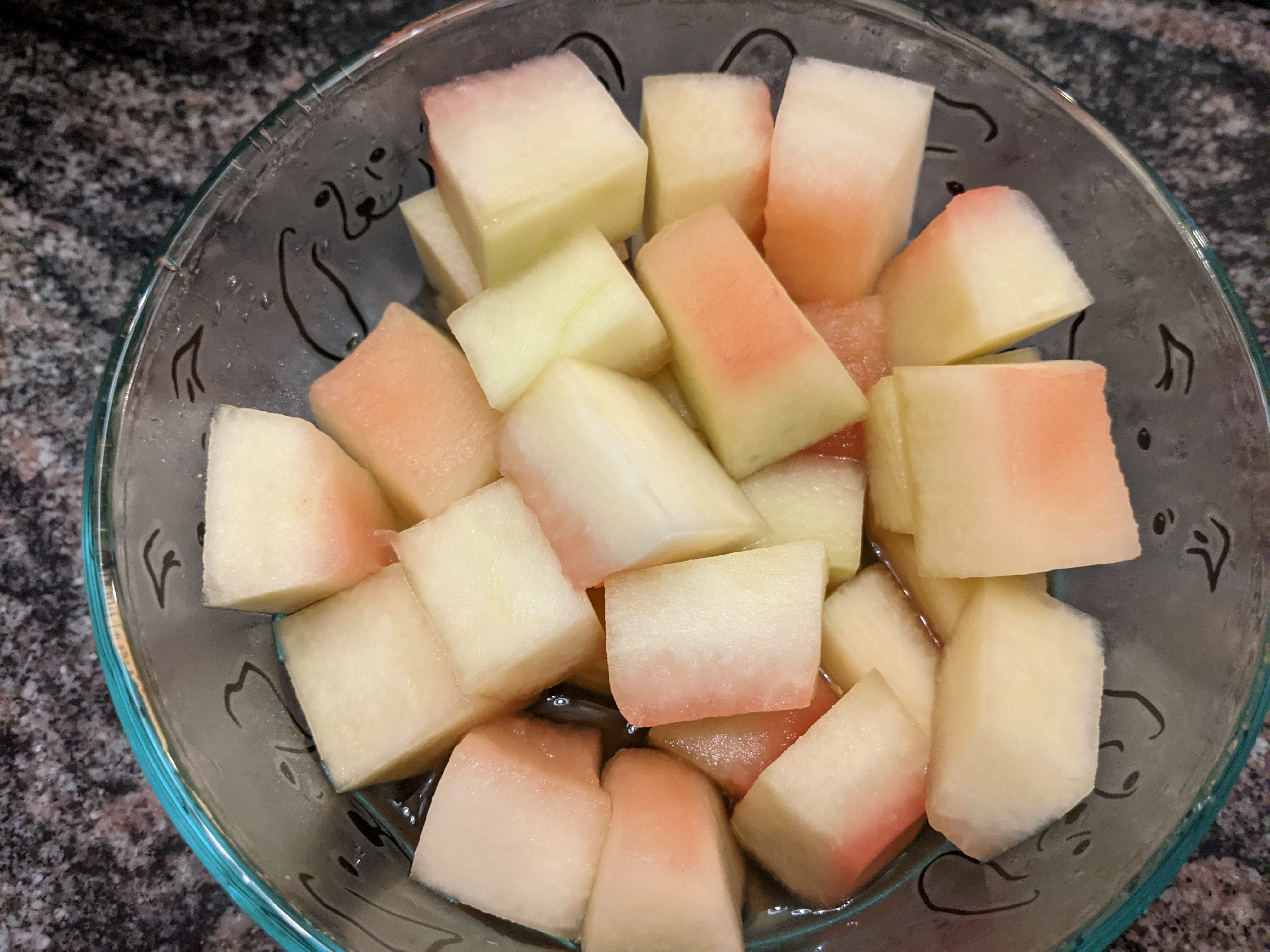
Pickled Watermelon Rinds
I have heard of pickled Watermelon Rinds, but never tried them. Never really had a interest in trying them. During the pandemic we order groceries on line and pick them up curbside. We tend to get the same things every week and one of those things is a watermelon. I usually just toss the rinds in the front yard and the deer (or something) eats them.
Last week we had a watermelon with a particularly thick rind and I thought about trying to pickle them. I looked at some recipes and they all seemed terrible. Boil them in vinegar for a hour and such. Then I ran across a Japanese recipe that got my attention. Just salt, sugar and soy and leave it in the fridge over night. Turned out really well. Not something you want to eat like potato chips, but crunchy and nice. I can see doing more of these.
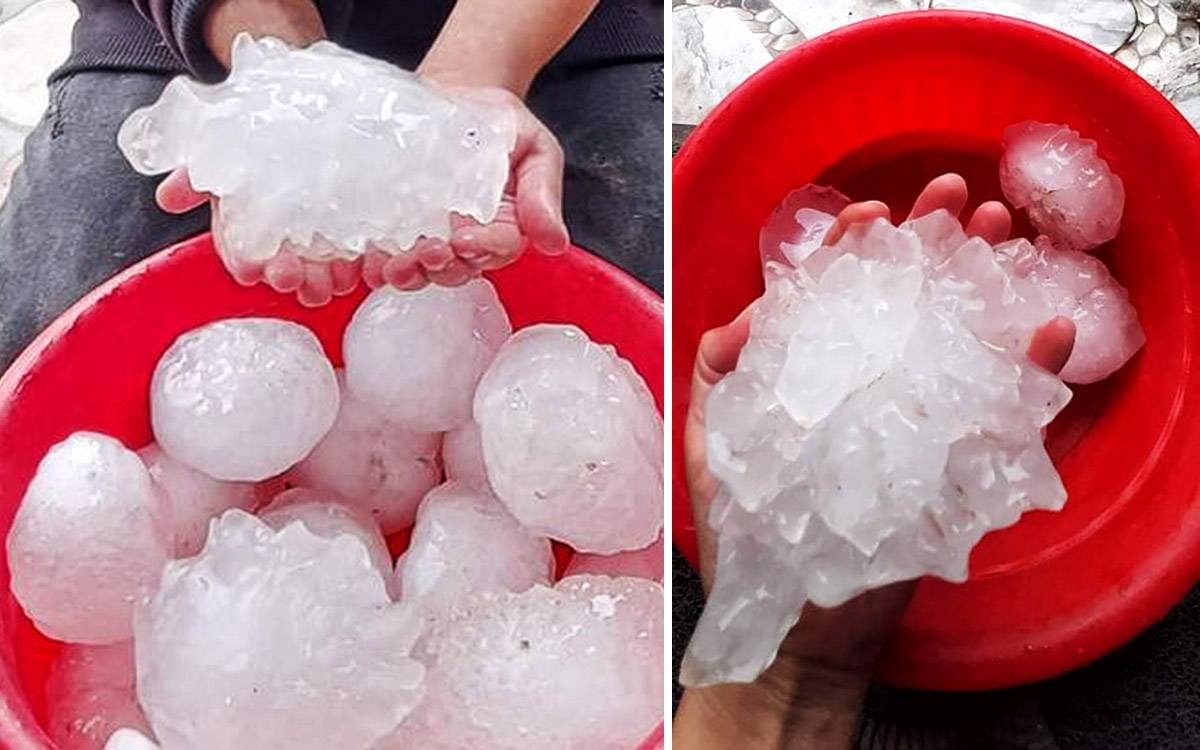
Giant Hailstorm in Libya
With all the election news, I somehow missed the 8″ hailstones that fell in a storm in Tripoli last week.
World’s largest hail record may be challenged by exceptionally large 20+ cm (8 inches) hailstones hit the capital of Libya on Tuesday, Oct 27th
Thanksgiving Turkey
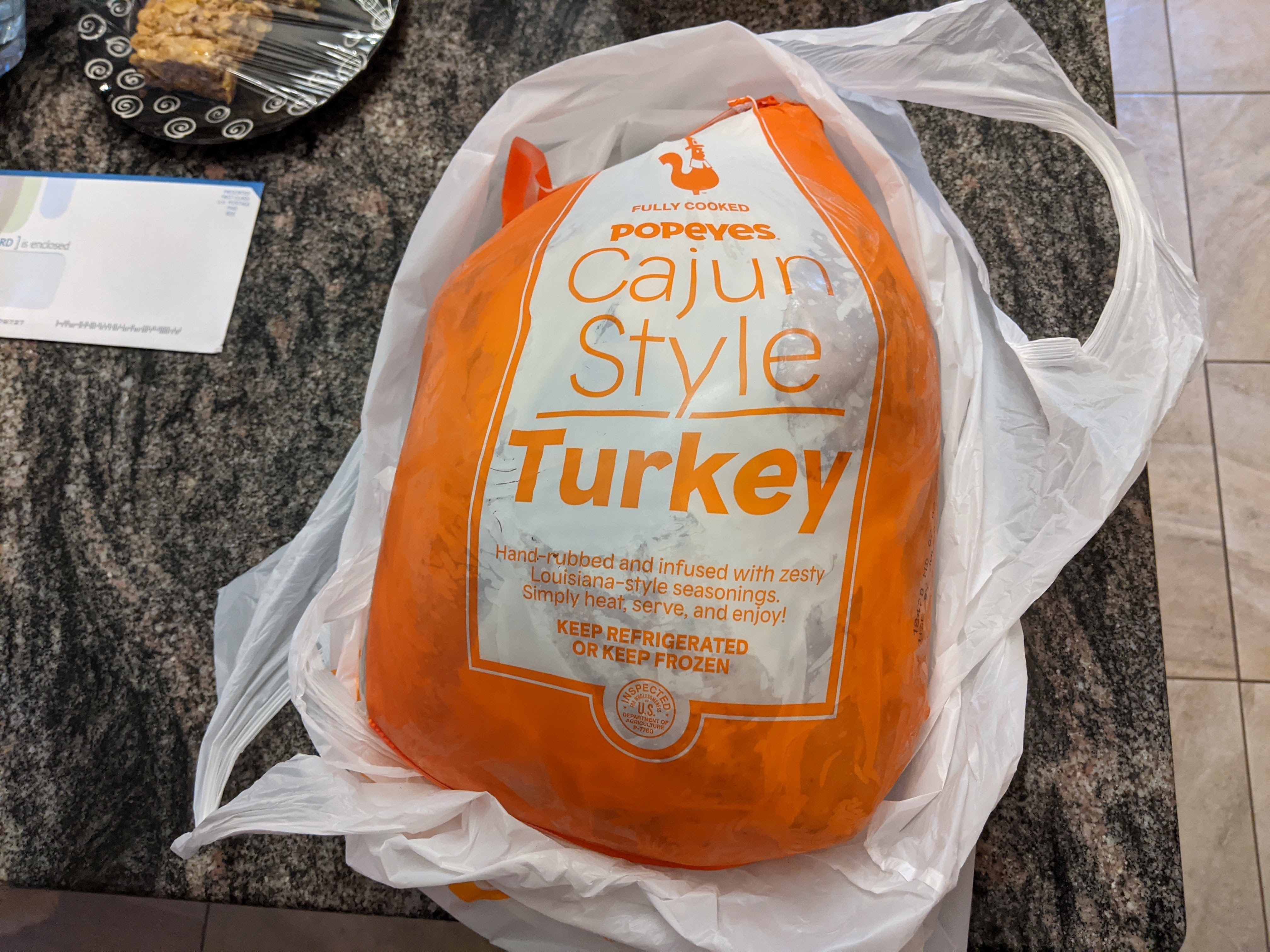
Got our Thanksgiving turkey a little early this year. We heard these run out so decided to act fast. We went to the drive up window mid-afternoon, when it wasn’t so busy. Seemed like a simple transaction, but the woman at the window handed me a clipboard with a form to fill out. Is this some sort of liability waiver? After a bit of confusion, we made it clear we wanted to pay for the turkey and bring it home today. Ah, no problem. Going to be a small, simp!e Thanksgiving this year.


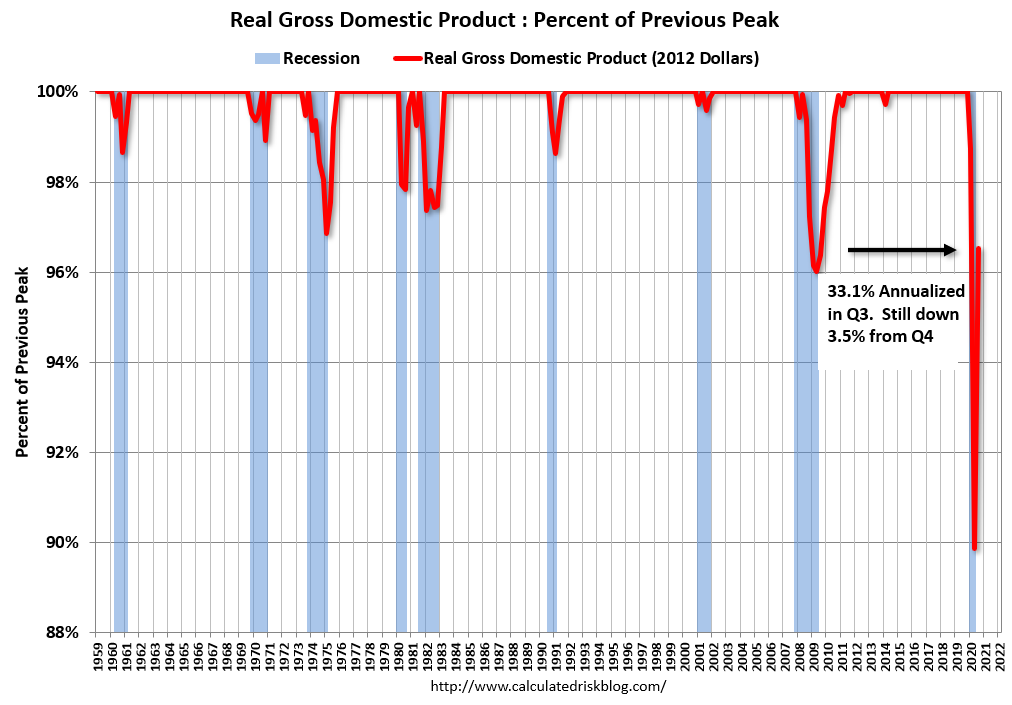
Gross Domestic Product
I grabbed the wrong graph in that last post. A good graph but what I meant to post was the GDP chart. From the same Calculated Risk blog:
Real Personal Income
A chart of personal income, less transfer payments, from the Calculated Risk blog. Pretty big leg down during covid-19.

300,000 Excess Deaths
There is lots of controversy about counting Covid-19 deaths. Partly because you don’t die directly of covid-19, you die from complications of covid-19, which could be pneumonia, a heart attack, etc.
Turns out we know statistically with a pretty high degree of accuracy how many people will die in the US every year. Looking at how many extra (excess) deaths we can get a good look at how many people are dying from Covid-19.
This has a couple of effects. Someone who would have died this year anyway, doesn’t show up in this number. This washes out older, sicker Covid-19 victims, which leads to a conservative estimate. In the real world they would be Covid-19 deaths. If you have terminal cancer and get in a car wreck the week before you would have died of cancer, you are still listed (for statistical purposes) as being a car accident victim.
The CDC counts 300,000 excess deaths from late January until the beginning of October.
Excess Deaths Associated with COVID-19, by Age and Race and Ethnicity — United States, January 26–October 3, 2020
The Politics of White Anxiety
As I’m have mentioned, I grew up in David Duke’s Louisiana, so that probably colors (ahem) my political views. It is sad that I have seen American politics dominated by racist overtures to voters, recently by Republicans but before that by Democrats.
The recent use of social media platforms for this purpose hasn’t been deeply discussed, at least in public. It isn’t so much a problem that social media has given a neutral meeting place to neo-Klansmen as that it has given monied political groups an effective and stealth way of contacting and organizing these groups. Rather than run broadcast ads that are viewed by everyone and can be judged for fairness and accuracy and are open for discussion, targeted ads in platforms like facebook allow massive amounts of information to flow from political actors to voters, without any scrutiny. This is completely new and (I believe) unhealthy for an open democracy. More from the Boston Review of Books:
 Steven A. Guccione