Free Electricity

Yesterday my son topped of his girlfriends car to 100% (from 10%) for $6 at a Tesla supercharger. This is in the Phoenix area. The trick is that it was done late in the evening when tiered electrical rates were low. I figure a similar gas vehicle would cost nearly 10x this price.

This brings up a point that seems to be seldom discussed. The rapid build out of renewable electricity sources such as solar and wind present some unusual opportunities. Solar in particular is being built out to supply power for air conditioning in places like Texas and Arizona. What happens to all of that electric power generating capacity in, say, winter, spring and fall? This isn’t like coal or gas fired generators that can be turned off to save costs. There is no additional cost to solar and wind once it’s installed. They just keep making electricity. What would you do with vast amounts of free electricity? Sounds far fetched? It is already starting. Europe had negative electricity prices at times last week. I don’t worry about the technology side of things, but I do worry that our existing economic structures may have trouble handlimg this sort of surplus, especially in the short term.

Power prices dip to negative in Europe amid clean energy boost

Wildlife

Some critter has been messing around in my yard at night. Nothing too destructive, but I had to put a heavier cover on my small fish pond. Lately somebody has been popping the covers off of the pool skimmers. Decided to see who it was. Used this little wildlife camera.

The Harvard Ruling Misses the Point

A somewhat long article by Richard Ford in the Boston Review. The last few sentences explains it.

The admissions scandals are a symptom of a society that pretends that elitism could be democratized—in which what passes for egalitarian struggle amounts to desperate individual attempts to ascend a steepening social hierarchy rather than a collective effort to level it. The demand for an equal opportunity to elite status is almost a contradiction in terms. A better egalitarian goal would be to level the social hierarchy that increasingly reserves a comfortable life to an elite few.

The Harvard Ruling Misses the Point

More Texas Power Grid

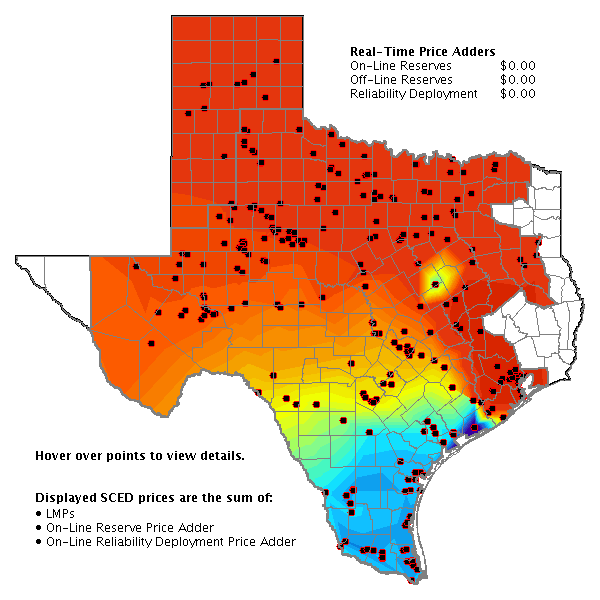
Sadly, the Texas power grid continues to be national news. Fortunately, it seems to be holding up under stress of this heat dome. I did not know know that solar doubled in the last year and will double again in the next year. And that seems to be saving our bacon. I know from my own power bills that it’s all about air conditioning in the summer. I am also hearing batteries are ramping up quickly. My understanding is that they are being used for price arbitrage. They charge up when energy is cheap and sell when demand is high and (wholesale) prices high. Sometimes very high. Texas may succeed in spite of it’s leaders. My big question is what happens to all of that solar capacity on sunny days in the spring, fall and winter.

Life Cycle Emissions: EVs vs. Combustion Engine Vehicles

This latest graphic from Visual Capitalist turned up in my news feed. I find it a bit problematic, mostly because it gives a snapshot of averages in a rapidly changing environment. It has always been true that it takes a vast amount of energy to manufacture a modern automobile. It is on par with the amount of energy the car consumes during it’s lifetime. This is confirmed by the graphic, and is more or less the story here. And it isn’t a new story.

But what this graphic doesn’t tell you is the rapid trend toward de-carbonization of the electric grid and various manufacturing industries puts the manufacturing part of the equation heading toward zero emissions, for both ICE and electric cars. This is great. But what you end up with in the long term is electric cars that are 100% emission free, and ICE cars which continue to produce large amounts of pollutants across their lifetimes. So anyone looking at this and thinking ICE cars and electric cars are about the same when it comes to emissions are not seeing the whole story.

Life Cycle Emissions: EVs vs. Combustion Engine Vehicles